Modern education is not limited to textbooks, examinations and academic scores. Students also need communication abilities, confidence, independence, discipline, teamwork and emotional resilience to succeed in the future. A thoughtfully structured residential school can create an environment where academic learning and essential life skills develop together.
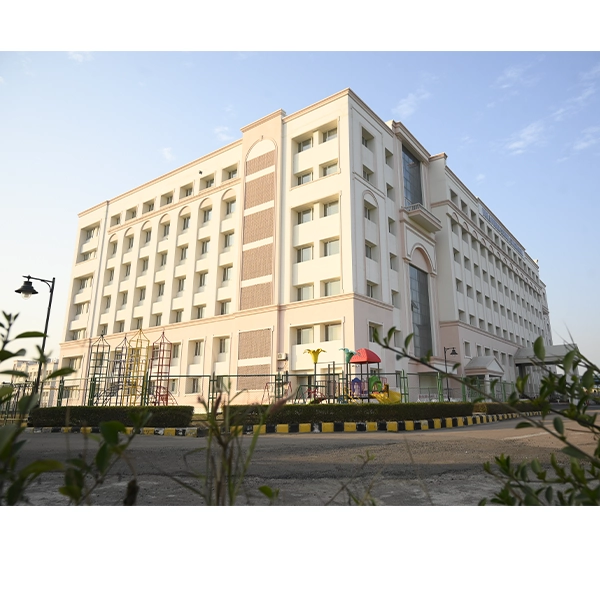
Birla Public School Sri Ganganagar provides students with a co-educational residential environment where learning can extend beyond the classroom. A balanced routine involving academics, sports, extracurricular activities and everyday responsibilities helps students grow into more capable and responsible individuals.
Why Academics and Life Skills Must Develop Together
Academic knowledge provides students with a strong educational foundation. However, they must also learn how to manage time, solve problems, express ideas and cooperate with others.
A balanced education helps students:
- Understand academic concepts clearly
- Communicate ideas with confidence
- Manage responsibilities independently
- Work effectively as part of a team
- Respond positively to challenges
- Make thoughtful and responsible decisions
- Develop respect for different perspectives
When academics and life skills receive equal attention, students can become better prepared for higher education, careers and everyday responsibilities.
Academic Learning in a Structured Environment
A residential school follows an organised daily routine that gives students designated time for classroom learning, revision, independent study, activities and rest. This structure can help them develop consistency and avoid unnecessary distractions.
A supportive academic environment may include:
- Planned classroom instruction
- Regular assignments and assessments
- Independent study periods
- Revision and doubt-clearing sessions
- Group discussions and projects
- Feedback from teachers
- Opportunities for peer learning
At Birla Public School Sri Ganganagar, students are encouraged to remain actively involved in their learning. Regular study habits and guidance can help them strengthen subject understanding while becoming more responsible for their academic progress.
Developing Time-Management Skills
Time management is one of the most valuable skills students can develop during residential school life. A planned schedule teaches them how to complete their work while also participating in sports, activities and recreation.
Students gradually learn to:
- Prioritise important tasks
- Complete assignments on time
- Prepare systematically for examinations
- Balance study with physical activity
- Follow daily routines consistently
- Use their free time productively
These habits can reduce last-minute pressure and help students become more organised. Effective time management also supports them when they move to college or begin managing professional responsibilities.
Building Independence and Responsibility
Living in a residential school allows students to complete everyday tasks with greater independence while remaining within a supervised environment. They learn that their decisions and actions carry responsibilities.
Residential life can encourage students to:
- Organise their belongings
- Maintain personal hygiene
- Follow schedules without repeated reminders
- Complete academic work independently
- Respect shared spaces
- Take responsibility for their choices
- Ask for help when needed
Independence develops gradually. Teachers, mentors and residential staff can continue to provide guidance while allowing students to manage age-appropriate responsibilities.
How a Co-Ed Residential School in Sri Ganganagar Builds Social Skills
A co-educational environment allows boys and girls to learn, participate and communicate together. This interaction can help students understand equality, mutual respect and the importance of appropriate behaviour.
Students learn how to:
- Listen to different opinions
- Communicate respectfully
- Participate confidently in group discussions
- Cooperate with classmates
- Resolve disagreements constructively
- Appreciate different abilities and perspectives
These social abilities are important because students will eventually study and work in diverse environments. Early experience of respectful collaboration can help them become more comfortable, thoughtful and adaptable.
Improving Communication and Confidence
Students need regular opportunities to speak, present ideas and participate in activities to develop confidence. Classroom discussions, debates, assemblies, cultural programmes and competitions can help students express themselves more effectively.
Such opportunities may improve:
- Public-speaking ability
- Vocabulary and verbal expression
- Active listening
- Presentation skills
- Confidence in social situations
- Ability to share ideas clearly
Confidence does not develop overnight. It grows when students receive encouragement, constructive feedback and repeated opportunities to participate.
Learning Through Sports and Physical Activities
Sports play an important role in the physical, emotional and social development of students. Regular activity supports fitness and gives students a healthy break from academic routines.
Sports can teach students:
- Teamwork and cooperation
- Discipline and regular practice
- Leadership and decision-making
- Patience and perseverance
- Respect for rules
- Healthy competition
- How to handle success and disappointment
Whether students participate competitively or recreationally, physical activity can improve energy, concentration and overall well-being.
Encouraging Creativity and Individual Interests
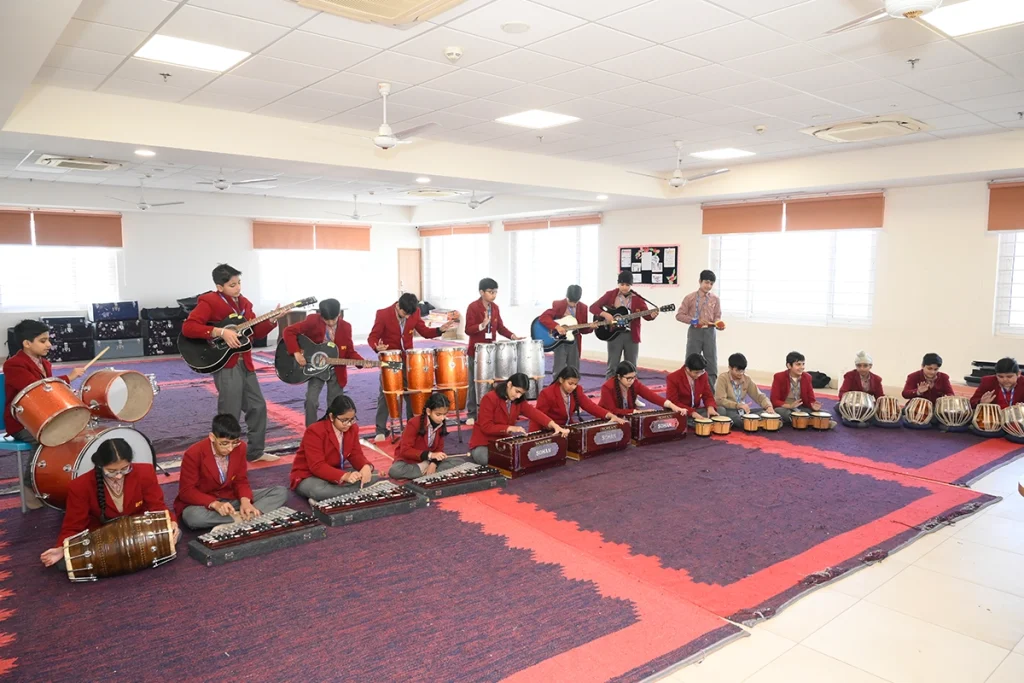
Not every skill develops inside a classroom. Art, music, dance, theatre, writing, public speaking, technology and other activities allow students to explore their interests and discover their strengths.
Extracurricular participation can help students:
- Develop creativity
- Explore new talents
- Gain confidence through performance
- Learn practical skills
- Work with like-minded classmates
- Use leisure time meaningfully
A balanced school programme gives students the freedom to explore different areas without losing focus on academics.
Developing Teamwork and Leadership
Leadership is not only about becoming a school captain or holding a formal position. It includes taking initiative, supporting others, accepting accountability and contributing to common goals.
Students may develop leadership and teamwork through:
- Group assignments
- Sports teams
- House activities
- School events
- Student councils
- Cultural programmes
- Community-based initiatives
These experiences teach students how to plan, delegate responsibilities, listen to team members and complete shared tasks. They also help students understand that effective leaders must be responsible and respectful.
Supporting Emotional Resilience
Students may experience challenges such as academic pressure, homesickness, disagreements or disappointment. A supportive residential environment can help them learn how to manage these experiences appropriately.
Emotional resilience involves:
- Accepting mistakes as part of learning
- Remaining calm during challenges
- Seeking guidance when necessary
- Adjusting to new situations
- Responding positively to feedback
- Developing healthy coping habits
Students should have access to trusted adults who can listen, guide and support them. Parents should ask schools about their mentoring, pastoral-care and student-support systems before making an admission decision.
Learning Respect, Empathy and Community Living
Residential education brings students together in a shared living environment. They learn to respect routines, cooperate with others and contribute positively to their community.
Community living may teach students to:
- Respect personal and shared spaces
- Understand the needs of others
- Help classmates during difficulties
- Adjust to different personalities
- Follow common rules
- Develop meaningful friendships
These everyday experiences can make students more empathetic and socially responsible.
Role of Birla Public School Sri Ganganagar
Birla Public School Sri Ganganagar aims to provide an environment in which academic education and personal development can progress together. Through classroom learning, organised routines, sports, extracurricular participation and residential experiences, students receive opportunities to develop useful skills for the future.
Parents considering the school should review its official curriculum, facilities, residential arrangements, safety measures, activity programmes and student-support policies. A campus visit and direct discussion with the admissions team can help families determine whether the school suits their child’s needs.
What Parents Should Consider Before Choosing a Residential School
Selecting a residential school is an important decision. Parents should carefully consider:
- The school’s academic curriculum and teaching approach
- Hostel facilities and supervision
- Safety and security arrangements
- Daily routine and study schedule
- Sports and extracurricular activities
- Student mentoring and emotional support
- Health and medical assistance
- Communication between parents and the school
- Their child’s readiness for residential life
The right school should offer a safe and supportive environment while respecting the child’s personality, abilities and learning requirements.
Conclusion
Choosing a Co-Ed Residential School in Sri Ganganagar can give students access to a structured learning environment that combines academics with confidence, independence, communication, teamwork and responsibility. These qualities can prepare them for future academic and personal challenges.
Birla Public School Sri Ganganagar offers an educational setting where students can learn, participate and grow through classroom and residential experiences. Parents should examine all official information, visit the campus and understand the school’s approach before making their final decision.
Frequently Asked Questions
1. What are the benefits of a co-ed residential school in Sri Ganganagar?
A co-ed residential school can provide structured academics, supervised residential facilities, sports and extracurricular opportunities. It may also help students develop independence, confidence, discipline, communication, teamwork and respect for different perspectives.
2. How does Birla Public School Sri Ganganagar balance academics and life skills?
Birla Public School Sri Ganganagar combines classroom education with organised routines, sports, group activities and residential experiences. These opportunities can help students strengthen their academic knowledge while developing time management, responsibility, communication and teamwork.
3. What should parents check before selecting a residential school?
Parents should review the curriculum, teaching methods, hostel facilities, safety arrangements, supervision, health support, extracurricular activities and parent-communication policies. They should also consider whether their child is emotionally and practically ready for residential education.