Education today is not limited to academic achievement. Students also need confidence, communication skills, emotional maturity, discipline and the ability to collaborate with others. A well-planned boarding-school environment can support these qualities by combining classroom education with structured routines, extracurricular activities and everyday responsibilities.
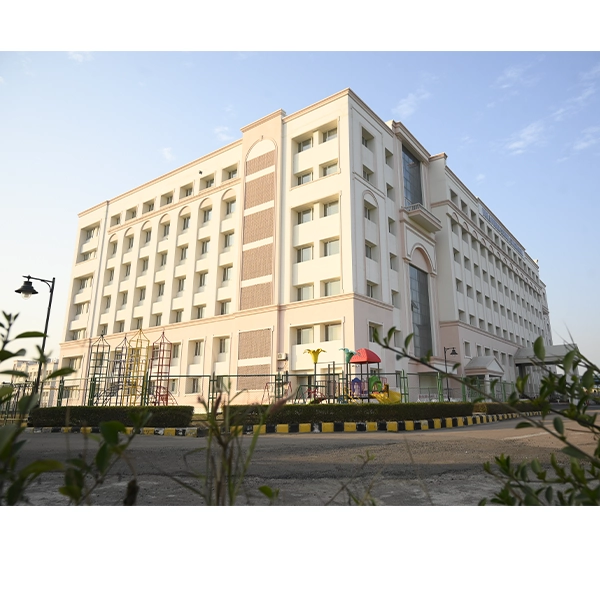
Birla Public School Sri Ganganagar provides a co-educational learning environment designed to support the academic, personal, social and physical development of students. Through academics, sports, activities and residential experiences, students receive opportunities to become more responsible, adaptable and prepared for future challenges.
Why Choose a Co-Ed Boarding School in Sri Ganganagar?
A co-educational boarding school brings students together in a shared academic and residential setting. They learn to communicate respectfully, exchange ideas, manage responsibilities and develop healthy interpersonal skills.
Choosing a Co-Ed Boarding School in Sri Ganganagar can offer several benefits:
- A structured routine for study, activities, recreation and rest
- Opportunities to develop independence and personal responsibility
- Regular participation in sports and extracurricular activities
- Exposure to students with different interests and perspectives
- Support from teachers, mentors and residential staff
- A learning environment that encourages teamwork and mutual respect
- Greater focus on discipline, time management and self-confidence
These experiences can help students prepare for higher education, professional life and participation in a diverse society.
1. A Balanced Approach to Academic Development
Strong academic foundations remain an important part of a student’s future. However, meaningful learning is not simply about memorising information. Students need to understand concepts, ask questions, solve problems and apply their knowledge in practical situations.
A structured school environment can support academic development through:
- Planned classroom instruction
- Regular assessments and academic feedback
- Doubt-clearing and revision opportunities
- Independent study periods
- Group discussions and collaborative projects
- Encouragement to participate actively in lessons
At Birla Public School Sri Ganganagar, students are encouraged to develop consistent study habits while improving their understanding of different subjects. A residential setting can also make it easier to maintain a regular academic routine and seek guidance when required.
2. Building Confidence and Communication Skills
Confidence develops when students receive opportunities to express themselves, accept responsibilities and participate in different activities. Debates, presentations, assemblies, competitions, cultural programmes and group assignments can help students overcome hesitation and communicate more effectively.
In a co-educational environment, students learn how to:
- Express their thoughts respectfully
- Listen to different opinions
- Speak confidently before an audience
- Collaborate with classmates
- Resolve disagreements constructively
- Appreciate individual strengths and perspectives
These skills are useful not only in school but also in college, interviews, workplaces and everyday life.
3. Learning Independence in a Supportive Environment
Boarding-school life allows students to become more independent while remaining within a supervised environment. They gradually learn to organise their belongings, follow routines, complete assignments on time and make responsible everyday decisions.
Important habits developed through residential education may include:
- Managing time effectively
- Maintaining personal hygiene and organisation
- Completing work without constant reminders
- Balancing academics with recreation
- Following shared rules and routines
- Taking responsibility for personal choices
Independence does not mean that students are left without guidance. Teachers, mentors and residential staff can provide support while allowing students to become increasingly self-reliant.
4. Developing Discipline and Time-Management Skills
A structured daily schedule is one of the key advantages of boarding education. Students generally have designated time for classes, self-study, meals, sports, activities and rest. This routine can reduce distractions and encourage consistency.
Good time-management skills help students:
- Complete assignments within deadlines
- Prepare systematically for examinations
- Participate in activities without neglecting studies
- Establish healthy daily habits
- Avoid last-minute academic pressure
- Understand the value of punctuality
Over time, these habits can become part of a student’s personality and support success in higher education and professional life.
5. Supporting Physical Fitness Through Sports
Sports and physical activities contribute to fitness, concentration, teamwork and emotional well-being. They also teach students how to deal with both victory and disappointment in a mature manner.
Participation in sports can help students develop:
- Physical strength and stamina
- Team spirit and cooperation
- Leadership abilities
- Patience and perseverance
- Strategic thinking
- Respect for rules and fair play
A balanced school programme should encourage students to remain physically active while maintaining their academic priorities. Regular participation also gives students a healthy way to manage stress and improve their overall energy levels.
6. Encouraging Creativity and Individual Interests
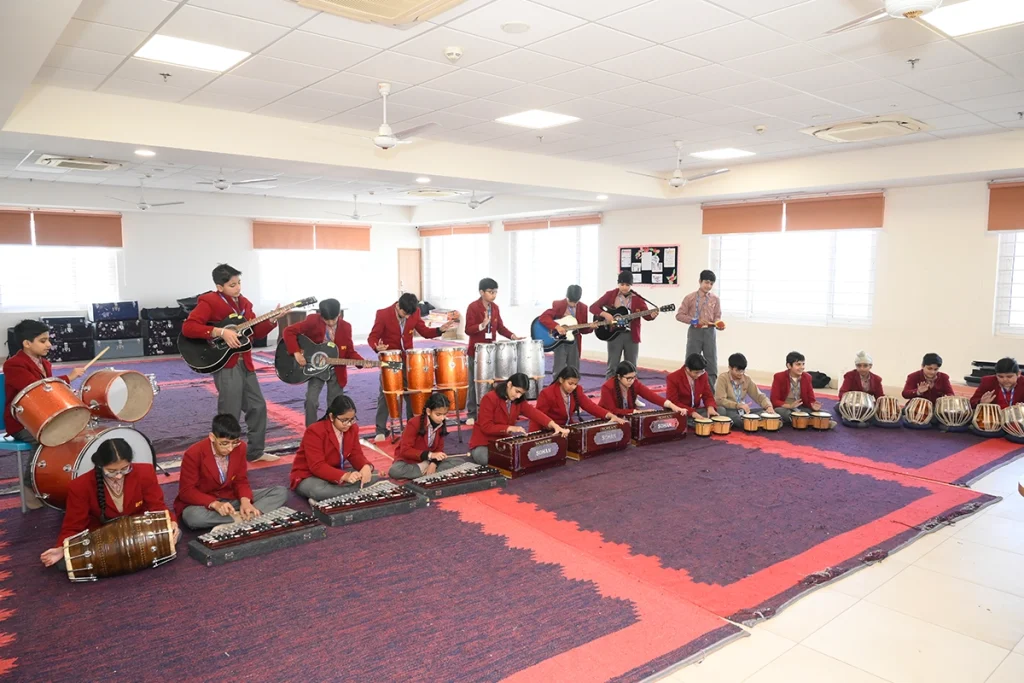
Every student has different strengths. Some may perform well academically, while others may show potential in art, music, public speaking, technology, writing or sports. Extracurricular activities allow students to explore these interests beyond textbooks.
Such activities can provide opportunities to:
- Discover personal talents
- Develop creative thinking
- Build confidence through participation
- Learn new skills
- Work with students who share similar interests
- Represent the school in competitions and events
When students receive balanced opportunities, they can develop a stronger sense of identity and make more informed choices about their future.
7. Promoting Respect and Equal Participation
A co-educational environment can help students understand the importance of equality, dignity and respectful behaviour. By studying and participating in activities together, boys and girls learn to recognise one another as capable individuals with different talents, ideas and ambitions.
This environment can prepare students for universities and workplaces where cooperation with people from varied backgrounds is essential. It also encourages healthy communication, empathy and responsible social conduct.
8. Developing Leadership and Teamwork
Leadership is not limited to holding a formal position. It also involves taking initiative, supporting others, making responsible decisions and contributing to a shared goal.
Students can develop leadership and teamwork through:
- Student councils and house responsibilities
- Group projects and classroom activities
- Sports teams and competitions
- School events and cultural programmes
- Community-oriented initiatives
- Peer learning and mentoring opportunities
These experiences teach students to work with others, manage responsibilities and remain accountable for their decisions.
9. Creating a Sense of Community
Living and learning together can create strong bonds among students. They share daily routines, academic experiences, celebrations, challenges and achievements. This sense of community may help students become more empathetic and supportive.
Boarding-school life can also teach students how to adjust to different personalities, respect shared spaces and contribute positively to a group. These lessons are valuable for students who later move away from home for university or employment.
10. Preparing Students for Future Challenges
The future will require students to do more than achieve good marks. They will need adaptability, digital awareness, problem-solving abilities, emotional resilience and effective communication.
A future-ready education should help students:
- Think independently and critically
- Adapt to unfamiliar situations
- Communicate ideas clearly
- Collaborate with diverse groups
- Use technology responsibly
- Handle success and setbacks maturely
- Make ethical and informed decisions
By combining academics with residential learning, co-curricular opportunities and personal guidance, Birla Public School Sri Ganganagar aims to help students build the skills and habits required for future success.
Selecting the Right Co-Ed Boarding School in Sri Ganganagar
Before choosing a school, parents should carefully review its educational approach, academic structure and residential environment. Important factors to consider include:
- Academic curriculum and teaching practices
- Safety and supervision arrangements
- Hostel facilities and daily routine
- Sports and extracurricular opportunities
- Student support and mentoring systems
- Communication between parents and the school
- Campus environment and discipline policies
- Attention to physical and emotional well-being
Parents should visit the campus where possible, speak with the admissions team and review official information before making a final decision. The right school should align with the child’s learning needs, personality and long-term goals.
Conclusion
A Co-Ed Boarding School in Sri Ganganagar can provide students with a structured environment in which academics, responsibility, creativity, fitness and social development receive balanced attention. The experience can help students become confident, disciplined, independent and prepared to work with others.
Through its co-educational and residential learning environment, Birla Public School Sri Ganganagar seeks to support students as they build knowledge, life skills and a responsible outlook. For parents exploring boarding education, evaluating the school’s academic approach, pastoral support, activities and residential arrangements can help them make a well-informed choice.
Frequently Asked Questions
1. What are the benefits of choosing a co-ed boarding school in Sri Ganganagar?
A co-ed boarding school can provide structured academics, residential supervision, sports, extracurricular activities and opportunities for boys and girls to learn together. It may also help students develop independence, confidence, communication abilities, time management and respect for different perspectives.
2. How does Birla Public School Sri Ganganagar prepare students for the future?
Birla Public School Sri Ganganagar supports student development through academics, organised routines, sports, extracurricular participation, teamwork and leadership opportunities. These experiences are intended to help students strengthen their knowledge, confidence, discipline and practical life skills.
3. What should parents check before selecting a boarding school?
Parents should review the curriculum, teaching approach, hostel facilities, safety measures, supervision, student support, sports opportunities and communication policies. They should also consider their child’s readiness for residential education and confirm important details directly with the school.