Choosing a school is one of the most important decisions parents make for their children. A suitable school influences academic progress, confidence, communication, discipline, creativity and overall personality development. However, attractive buildings, advertisements or examination results alone cannot determine whether a school is right for every student.
Parents should compare schools according to their child’s learning needs, interests, personality and future goals. Curriculum, teaching quality, safety, facilities, student support and opportunities beyond the classroom should all be considered.
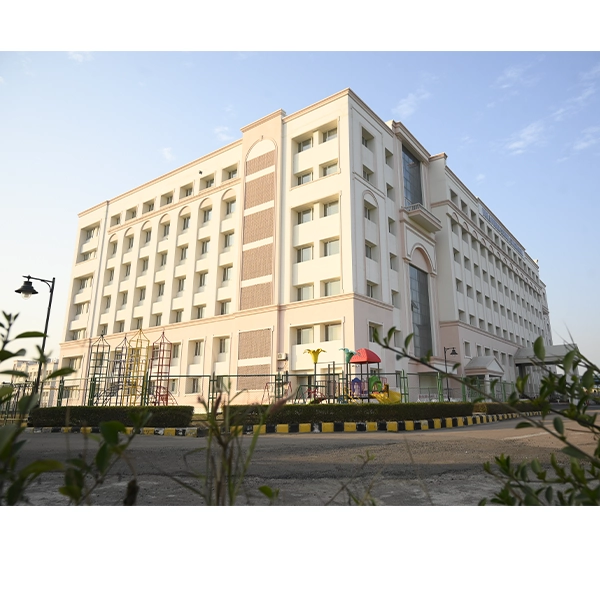
Birla Public School Sri Ganganagar offers an educational environment focused on academics and wider student development. Parents considering the school should examine its official information, visit the campus and discuss their expectations with the admissions team before making a decision.
1. Understand Your Child’s Individual Needs
Every child learns differently. Some students benefit from structured instruction, while others respond better to activities, discussions and practical learning. Before comparing schools, parents should understand what kind of environment will help their child feel comfortable and motivated.
Consider the following questions:
- Does your child need additional academic guidance?
- Is your child interested in sports, music, art or technology?
- Does your child participate confidently in groups?
- Would a day-school or residential environment be more suitable?
- Does your child require specific learning or emotional support?
- What class size and teaching approach may suit your child?
A school should not be selected only because it is popular. It should be compatible with the child’s abilities, interests and developmental needs.
2. Check the Curriculum and Academic Approach
The curriculum forms the foundation of a student’s education. Parents should understand what the school teaches and how teachers help students understand concepts.
Important academic factors include:
- Curriculum followed by the school
- Teaching methods used in classrooms
- Balance between theory and practical learning
- Frequency and purpose of assessments
- Academic support for students who need assistance
- Opportunities for projects, discussions and presentations
- Use of technology in teaching
- Preparation for higher classes and future education
A reliable school should encourage conceptual understanding rather than depend entirely on memorisation. Parents should also ask how teachers monitor progress and communicate academic concerns.
3. Evaluate Teacher Quality and Student Support
Teachers influence how students understand subjects, respond to difficulties and develop confidence. Qualified teachers are important, but their communication, patience and ability to engage students also matter.
During a school visit, parents can ask:
- How are teachers selected and trained?
- How does the school assess teaching quality?
- How do teachers support students with different learning abilities?
- How often is feedback shared with parents?
- Is additional academic help available when required?
- Are mentoring or counselling systems available?
A supportive school should allow students to ask questions without fear and seek assistance when they face academic or personal challenges.
How the Best School in Ganganagar Balances Academics and Life Skills
Strong academic performance is valuable, but students also need life skills to manage future challenges. Communication, teamwork, problem-solving, leadership and emotional resilience are essential for higher education and professional life.
Look for opportunities that help students:
- Speak confidently in public
- Participate in debates and presentations
- Work collaboratively on projects
- Take leadership responsibilities
- Manage time and deadlines
- Think critically and solve problems
- Develop respectful social behaviour
- Learn from mistakes and setbacks
Activities should complement academics rather than distract from them. A balanced school schedule gives students opportunities to explore their interests while maintaining consistent study habits.
4. Review Safety and Security Measures
Student safety should be a non-negotiable priority. Parents should carefully review campus security, staff supervision, transport systems and emergency procedures.
Important questions include:
- Is access to the campus monitored?
- Are students supervised during classes, breaks and activities?
- What safety procedures are followed during emergencies?
- Is first-aid or medical assistance available?
- How does the school handle bullying or inappropriate behaviour?
- What transport safety measures are followed?
- How are visitors verified?
For residential facilities, parents should also check hostel supervision, health support, communication arrangements and night-time security.
5. Examine Infrastructure and Learning Facilities
A school does not need luxurious facilities to provide quality education. However, its classrooms and common spaces should be safe, hygienic, functional and appropriate for students.
Parents may evaluate:
- Classroom condition and ventilation
- Science and computer laboratories
- Library and reading resources
- Sports grounds and activity areas
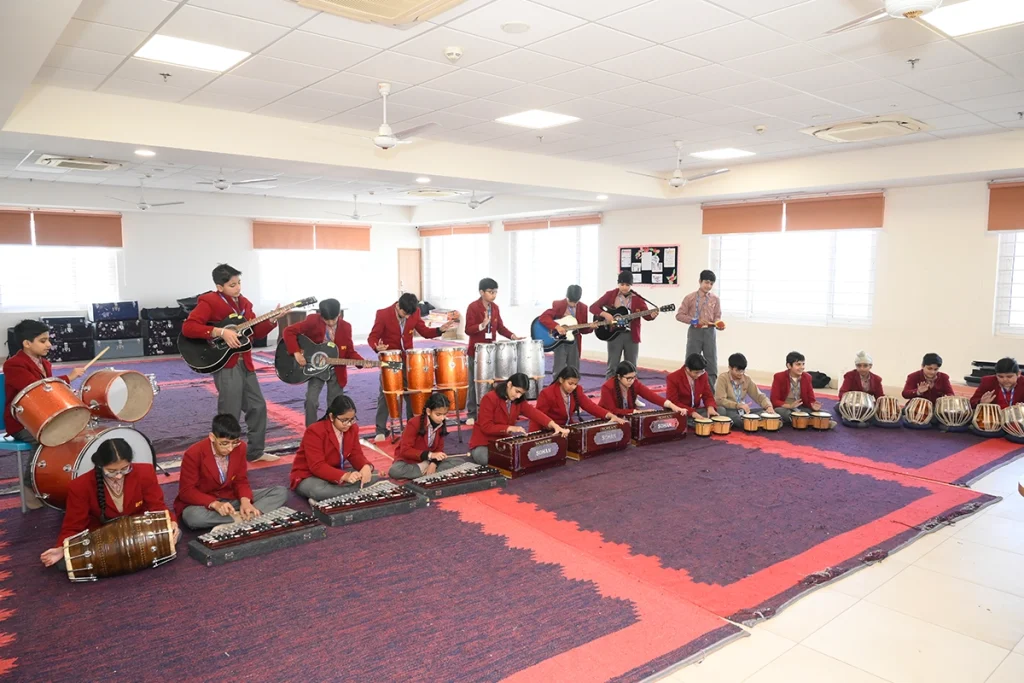
- Art, music and performance facilities
- Drinking water and sanitation
- Medical or first-aid facilities
- Transport and residential arrangements, if applicable
The important question is not simply whether facilities exist, but whether students use them regularly as part of meaningful learning.
6. Consider Sports and Extracurricular Opportunities
Sports and extracurricular activities contribute to physical health, creativity, teamwork and confidence. They also allow students to discover interests beyond academic subjects.
A balanced activity programme may include:
- Indoor and outdoor sports
- Art, music, dance and theatre
- Debates and public speaking
- Educational clubs
- Cultural events
- Competitions and exhibitions
- Community-oriented activities
- Leadership opportunities
Parents should ask whether participation is available to all students or limited to a small group of high performers.
7. Assess Discipline and School Culture
Discipline should help students understand responsibility rather than create fear. A positive school culture encourages punctuality, respectful behaviour, accountability and cooperation.
Observe whether:
- Teachers and students communicate respectfully
- Rules are explained clearly
- Discipline policies are age-appropriate
- Bullying concerns are handled responsibly
- Students appear comfortable asking questions
- Equality and inclusion are encouraged
- Achievements beyond academics are appreciated
Parents can often understand a school’s culture by observing everyday interactions during a campus visit.
8. Understand Parent–School Communication
Regular communication helps parents remain informed about their child’s academic progress, attendance, behaviour and participation.
Ask the school about:
- Parent-teacher meetings
- Academic progress reports
- Digital communication platforms
- Attendance notifications
- Methods for raising concerns
- Response time for parent queries
- Updates about events and activities
A healthy parent-school relationship should be based on transparency, cooperation and a shared focus on the student’s development.
9. Compare Fees and Overall Value
School fees should be transparent and clearly explained. Parents should ask for a complete breakdown of tuition, transport, uniforms, books, activities, meals or residential charges.
Before deciding, compare:
- What is included in the stated fee
- Whether additional charges apply
- Payment schedules and refund policies
- Facilities and learning opportunities provided
- Academic and student-support services
- Transport or hostel expenses
The most expensive school is not automatically the most suitable. Parents should focus on educational quality, safety and the overall value offered.
10. Visit the Campus Before Admission
Online information is useful, but a physical campus visit can provide a clearer picture. Parents can observe the environment, facilities, staff interaction and daily organisation.
During the visit:
- Inspect classrooms and activity areas
- Review cleanliness and safety
- Speak with the admissions team
- Ask about the daily timetable
- Understand assessment methods
- Discuss student support
- Review transport or hostel arrangements
- Clarify fees and admission requirements
Prepare a list of questions beforehand so that important details are not overlooked.
Considering Birla Public School Sri Ganganagar
Birla Public School Sri Ganganagar can be considered by families looking for a school that brings academics and broader development together. Its educational setting offers students opportunities to learn through classroom instruction, activities, sports and shared experiences.
Before applying, parents should confirm the current curriculum, admission requirements, fee structure, transport or residential options and available facilities directly through official school channels. This allows families to make a decision based on accurate and updated information.
Common Mistakes Parents Should Avoid
Parents sometimes make school decisions based on limited information. Avoid these common mistakes:
- Selecting a school only because of rankings or advertisements
- Ignoring the child’s individual needs
- Focusing entirely on examination results
- Overlooking safety and emotional support
- Comparing only fees rather than educational value
- Not visiting the campus
- Failing to read school policies
- Choosing because another family selected the same school
A thoughtful decision requires research, direct communication and careful comparison.
Final Checklist for Parents
Before completing admission, confirm that the school:
- Follows a recognised curriculum
- Provides qualified and supportive teachers
- Maintains appropriate safety standards
- Offers transparent parent communication
- Supports academics and life skills
- Provides useful sports and activity opportunities
- Has clean and functional facilities
- Fits your child’s personality and learning needs
- Maintains transparent fee and admission policies
Conclusion
Finding the Best School in Ganganagar is not about choosing the most advertised or expensive institution. It means selecting a safe, supportive and academically suitable environment where your child can learn confidently and develop useful life skills.
Parents considering Birla Public School Sri Ganganagar should review official details, visit the campus and ask specific questions about academics, safety, activities and student support. A well-researched decision can help provide a strong foundation for the child’s education and future development.
Frequently Asked Questions
1. How can parents choose the best school in Ganganagar?
Parents should compare curriculum, teaching quality, student support, safety, infrastructure, extracurricular activities, communication and fees. They should also visit the campus and select a school that suits their child’s individual needs and interests.
2. What should parents ask during a school visit?
Parents should ask about the curriculum, teacher support, assessment methods, safety procedures, activity opportunities, class routines, parent communication, transport or hostel facilities, fees and admission requirements.
3. Why should parents consider Birla Public School Sri Ganganagar?
Parents may consider Birla Public School Sri Ganganagar for its focus on classroom education and wider student development. Families should confirm the school’s latest curriculum, facilities, admission process and policies through its official channels before applying.